Market update 7/31

The Fed Held Rates Steady. What Happens Next?

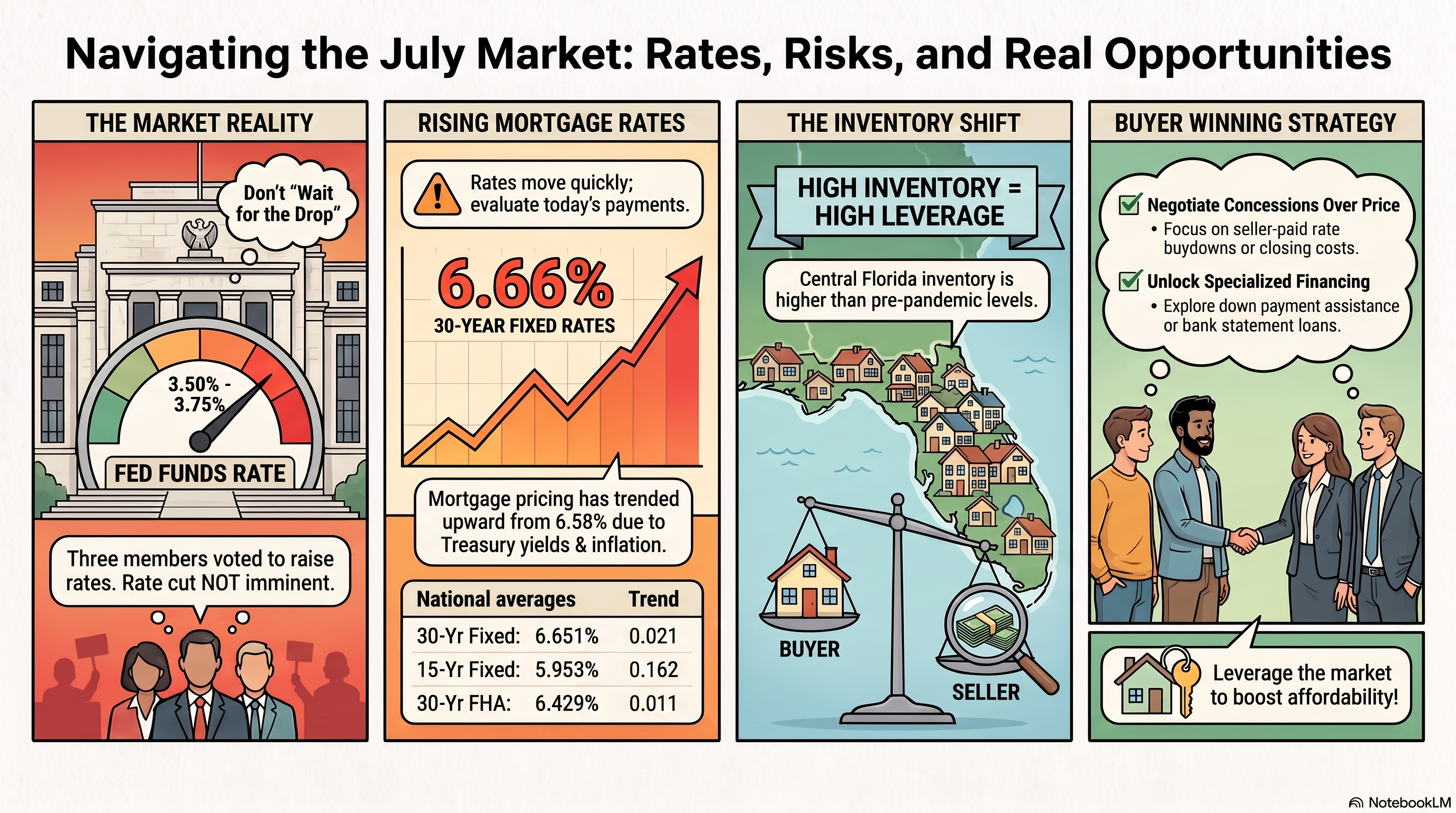
The Federal Reserve voted this week to keep the federal funds rate between 3.50% and 3.75%. However, the decision was not as neutral as “no change” might sound. Three members voted to raise rates by another quarter point, while the Fed emphasized that inflation remains above its 2% goal and economic activity is still expanding at a solid pace.

That division sends a fairly clear message: a rate cut does not appear imminent, and another increase remains possible if inflation stays elevated.

For the housing market, remember that the Fed does not directly set mortgage rates. Mortgage pricing is influenced more heavily by Treasury yields, inflation expectations, and investor demand. The average 30-year fixed mortgage reached 6.66% on July 30, up from 6.58% the previous week.

What it means moving forward: Buyers should not build their plans around an assumed rate drop. The smarter strategy is to evaluate the payment available today, negotiate seller concessions or a rate buydown when possible, and treat a future refinance as an opportunity rather than a requirement.

Agent talking point:

“The Fed paused, but that does not guarantee lower mortgage rates. Let’s structure a deal that works with today’s numbers instead of betting your purchase on tomorrow’s headlines.”

Image

Rates Have Ticked Higher, But Opportunity Hasn't Disappeared

The average 30-year fixed mortgage has climbed into the upper 6% range, driven largely by higher Treasury yields and inflation concerns. While that affects affordability, today's buyers still have options through seller concessions, permanent or temporary rate buydowns, and choosing the right loan program

Image

Central Florida Inventory Continues to Create Leverage

Orlando's real estate market is still seeing more homes for sale than before the pandemic, which gives buyers more chances to work out deals on repairs, closing costs, and even seller-paid rate buydowns. It's pretty different from just a couple of years back when things were pretty tight. Having more options usually means you can find a home that fits your needs better, and maybe even get a few perks along the way.

Financing Can Be the Competitive Advantage

Affordability challenges make pre-approval more valuable than ever. Many buyers assume they only qualify for one loan option when there may be alternatives such as down payment assistance, renovation financing, bank statement loans for self-employed borrowers, or other specialty products that better fit their situation.

Image

National Rate Averages

Historical Trend

Source: Optimal Blue Mortgage Market Indices (OBMMI). Indices reflect aggregate rate lock data. Learn more.

What Agents and Buyers Are Asking Right Now

Agents Are Asking

1. Are buyers gaining more negotiating power?

Yes, particularly on listings that have been sitting, reduced in price, or need updates. National active inventory has remained above 1.1 million homes, while asking prices and price reductions indicate that sellers are competing more aggressively for buyers. In Central Florida, that can create opportunities to negotiate closing costs, repairs, or seller-paid rate buydowns. The leverage is real, but it still depends on the property, neighborhood, condition, and pricing.

2. Should I tell buyers to wait for mortgage rates to fall?

Be careful making that promise. The average 30-year fixed mortgage rate reached 6.66% on July 30, up from 6.58% the previous week. Rates can move quickly, and there is no guarantee that lower rates will arrive on a buyer’s preferred timeline. A better approach is to evaluate the payment today, explore concessions or buydowns, and determine whether the home works financially without depending on a future refinance.

Buyers Are Asking

3. Is this actually a good time to buy a home?

It can be for buyers who are financially prepared and plan to remain in the home long enough for ownership to make sense. Buyers currently have more inventory to compare and potentially more negotiating room than during the recent seller-dominated market. However, affordability remains sensitive to mortgage rates, insurance, taxes, HOA costs, and the purchase price. The right time is based more on your budget and plans than on trying to perfectly time the market.

4. How much below the asking price should I offer?

There is no automatic percentage. The right offer depends on comparable sales, days on market, previous price reductions, property condition, competing offers, and the seller’s motivation. Sometimes a full-price offer with seller-paid closing costs or a rate buydown creates a better financial result than simply offering less. The goal should be negotiating the strongest overall terms, not winning a discount that does little to improve your monthly payment.

Image

A Personal Note

I've had several conversations this week with buyers who initially believed homeownership was out of reach. After reviewing their full financial picture instead of relying on assumptions, we found solutions they didn't know existed. That's a reminder that today's market rewards collaboration between agents and mortgage advisors more than ever.

Let's Connect

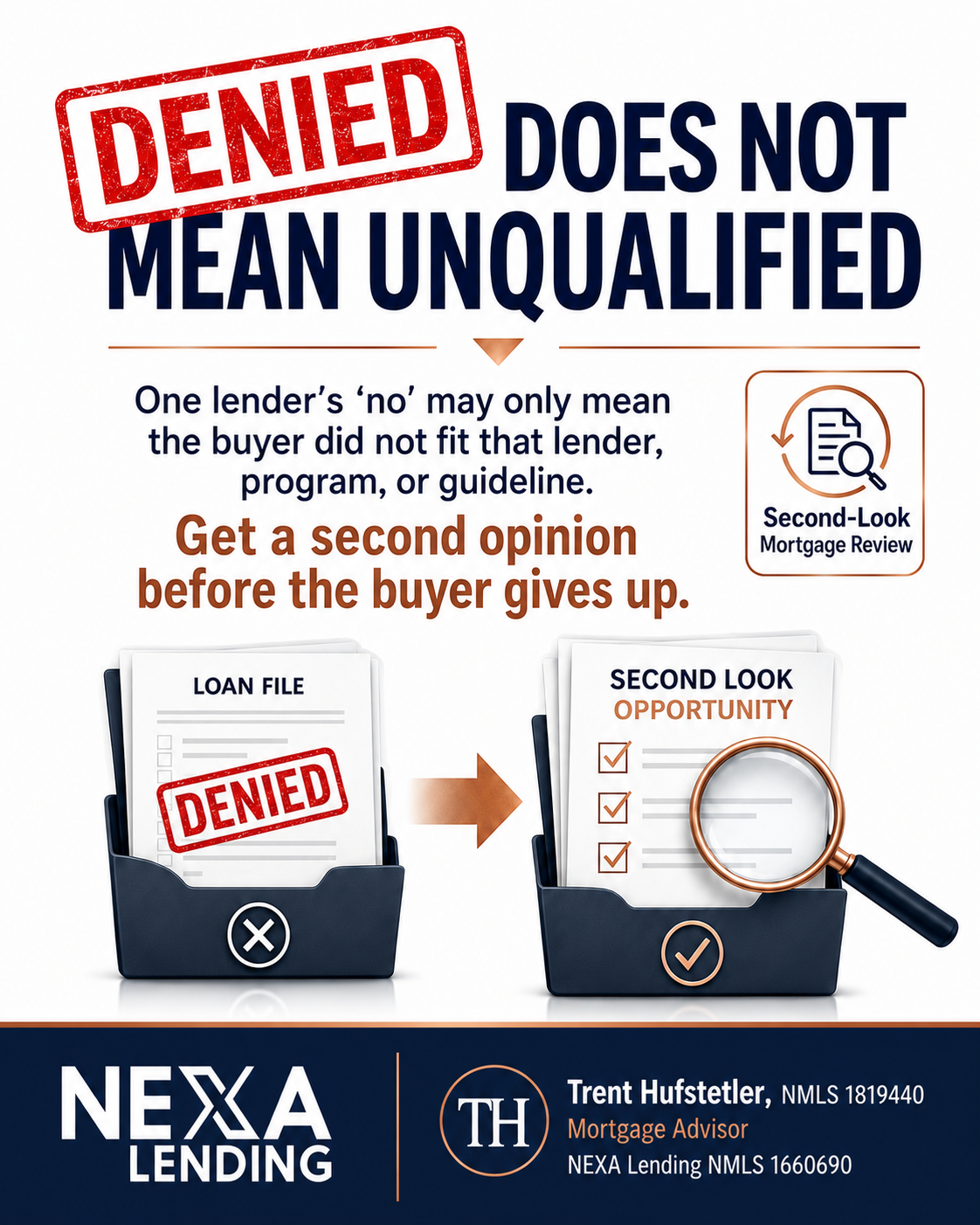
If you have a listing that needs creative financing, a buyer who was told "no," or simply want a second opinion before a contract is written, I'd be happy to help.